
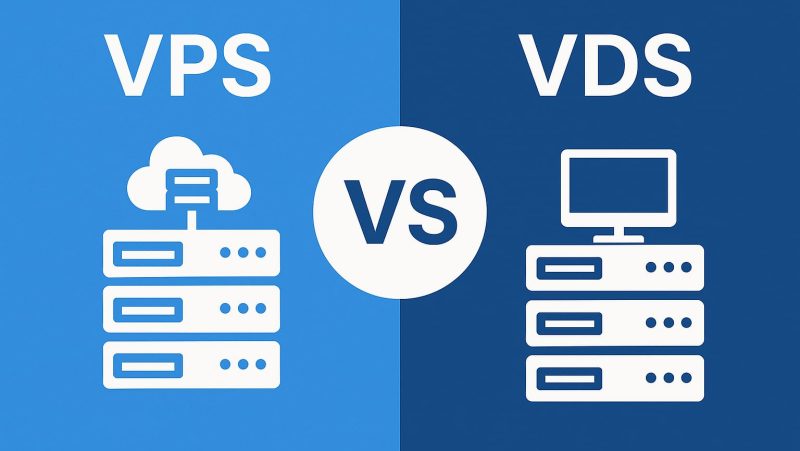
There are two terms frequently heard in the hosting world: VPS (Virtual Private Server) and VDS (Virtual Dedicated Server). Both offer virtual server solutions, but there are significant differences between them. In this article, we will explain what VPS and VDS are, their differences, and which one you should choose depending on your needs. We will also talk about the advantages we offer as MegaBre.com.
What is VPS?
VPS, which stands for Virtual Private Server, is created by dividing a physical server into multiple virtual servers using virtualization technology. Each VPS has its own operating system, disk space, and RAM. However, these resources are shared with other VPS instances running on the same physical server.
Features of VPS:
- Virtual environment on a shared physical server.
- Resources are allocated with specific limits.
- Cost-effective solution.
- Ideal for small and medium-sized projects.
What is VDS?
VDS, which stands for Virtual Dedicated Server, also uses virtualization technology similar to VPS. However, the biggest difference is that the resources are entirely dedicated to you. In a VDS, hardware resources such as CPU, RAM, and disk are not shared with other users. Therefore, it offers higher performance and security.
Features of VDS:
- All resources are fully dedicated to you.
- High performance and stability.
- Ideal for large-scale projects and high-traffic websites.
- Higher cost, but more powerful.
Key Differences Between VPS and VDS
|
Feature
|
VPS
|
VDS
|
|
Resource Sharing
|
Yes
|
No
|
|
Performance
|
Medium
|
High
|
|
Cost
|
Low
|
Higher
|
|
Use Case
|
Small / Medium projects
|
Large projects, e-commerce
|
Which One Should You Choose?
- VPS: Ideal for beginners, personal blogs, and small businesses. It is affordable and meets basic needs.
- VDS: Suitable for high-traffic websites, e-commerce platforms, and projects requiring high security.
As MegaBre.com, we offer high performance, 24/7 support, and competitive pricing for both VPS and VDS solutions. Our expert team is always ready to help you choose the right server solution based on your needs.